Behind the Medals: What the 2026 Asian Games Teach India about Sports Management
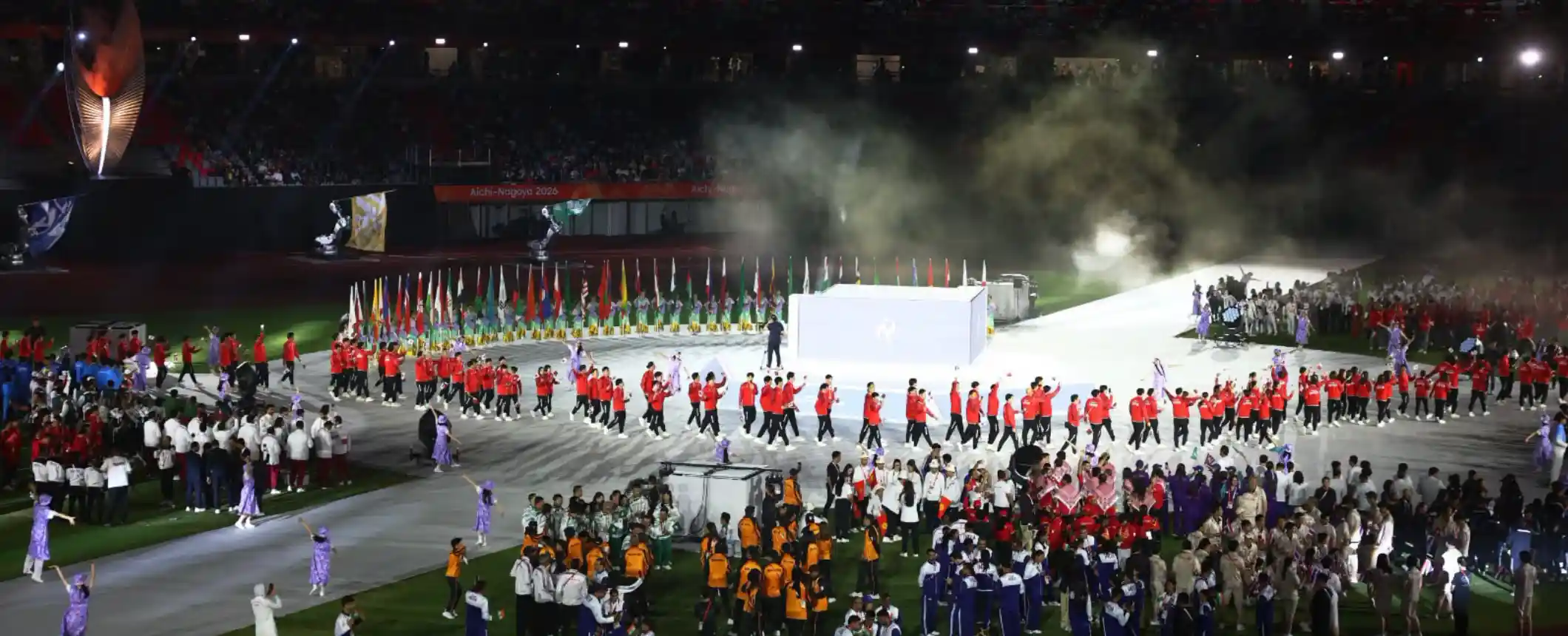
India finished the 2026 Asian Games in Aichi-Nagoya with 85 medals, including 21 golds, and fourth place on the medal table.
The success came from many sports. India's men's and women's teams won gold in cricket, hockey and kabaddi. Kumkum Mohod became the first Indian to win an individual recurve archery gold at the Games. Pranavi Urs became the first Indian woman to win individual golf gold. Indian boxers won three golds in a single day, and India also earned four direct qualification quota places for the Los Angeles 2028 Olympics.
Behind every one of these results is work that most people never see. That work is management, and India will need much more of it in the years ahead.
The Work Behind Every Medal
A medal is the final step of a long journey. Long before an athlete competes, many decisions are made about selection, training camps, competitions abroad, coaches, and athlete welfare. Someone has to plan and manage all of this, often for years.
At the Games, this work becomes very practical. In Aichi-Nagoya, 43 sports and 469 medal events were held at venues spread across several parts of Japan, including Aichi, Gifu, Shizuoka, Osaka, and the Tokyo area. Team managers had to take care of travel, accreditation passes, training times, meals, recovery, medical care, and anti-doping rules. Physiotherapists, analysts, and sports scientists looked after the athletes' fitness and performance.
When this work is done well, nobody notices it. The athletes simply arrive rested, ready, and on time. That is exactly how it should be.
Running a Games Spread Across a Region
The organisers faced the same kind of challenge, only much bigger. More than 10,000 athletes from 45 nations and a refugee team took part. They competed at venues spread over a wide area and stayed in hotels, on a cruise ship and in temporary housing, instead of in one athletes' village.
When a Games is spread out like this, transport becomes one of the most important jobs. Match schedules, training times, meals and TV coverage all have to be planned together across long distances. Good communication between venues matters as much as the venues themselves. Drivers, volunteers, and venue staff need to know their own job and also how it connects to everyone else's.
What India Can Learn
India already has much of what a big multi-sport event needs, modern venues, experience of hosting World Cups and world championships, and a large pool of talented people. What makes the difference is how well these strengths are brought together. Transport runs smoothly when it is planned around the match schedule, with extra time for traffic, weather and late finishes. Athletes perform at their best when their rooms, food, rest, recovery and training are well looked after. Matches, training, TV coverage, transport and security work best when everyone follows one master schedule. Test events give staff and volunteers the chance to practise their roles in real conditions, and venues planned for long-term use stay useful long after the closing ceremony.
Ahmedabad 2030 and the Years Ahead
These lessons matter for India right now. Ahmedabad will host the Commonwealth Games in 2030, the edition that marks 100 years of the Games. The main hub will be the Sardar Vallabhbhai Patel Sports Enclave at Motera, built around the Narendra Modi Stadium. Its new aquatics centre, tennis venue, and multipurpose arena are due to be completed in 2029.
India also has bigger goals. In October 2024, the Indian Olympic Association sent a Letter of Intent to the International Olympic Committee, showing interest in hosting the 2036 Olympic and Paralympic Games. India has also shared its plan to host the 2038 Asian Games with the Olympic Council of Asia.
The venues are being built. But how well these events run will depend on the people who plan and manage them.
Why Sport Needs Managers
Sport in India is no longer just about what happens on the field. It is an industry. Leagues, federations, broadcasters, sponsors, venues, and events run all year round, and all of them need trained professionals.
A big Games needs people with many different skills: running venues, managing events and competitions, transport, accreditation, sponsorship, ticketing, working with broadcasters, looking after athletes, managing volunteers, sports administration and team management. The numbers are huge. Paris 2024 alone recruited around 45,000 volunteers, and all of them worked in teams planned and led by managers.
These skills are needed between big events too: in federations that run national championships, in leagues that sell TV and sponsorship rights, and in stadiums that need to stay busy all year.
People build these skills through proper education and hands-on experience at real events, from local leagues to international competitions. More and more young Indians are now choosing sports management as a career, and that is a very positive sign for the future.
Looking Ahead
Aichi-Nagoya showed what India's athletes can achieve against the best in Asia. The next step is to build strong management to support them in federations, leagues, events and organising committees across the country.
When the Commonwealth Games comes to Ahmedabad, people will remember the performances on the field. They will also remember how well everything worked off the field. Both depend on good management.

Author: Mr. Nilesh Kulkarni, Founder Director – IISM
Author: Mr. Nilesh Kulkarni, Founder Director – IISM